Bonventure Machuka, a final year student at the School of Medicine, Moi University, recently had the privilege of contributing to a landmark continental initiative: the review of the first-ever African Prototype Competency-Based Curriculum for Undergraduate Medical Education. Document available at the Official WHO respository – https://iris.who.int/server/api/core/bitstreams/bb344aec-ea52-478c-9899-c910ba47b426/content
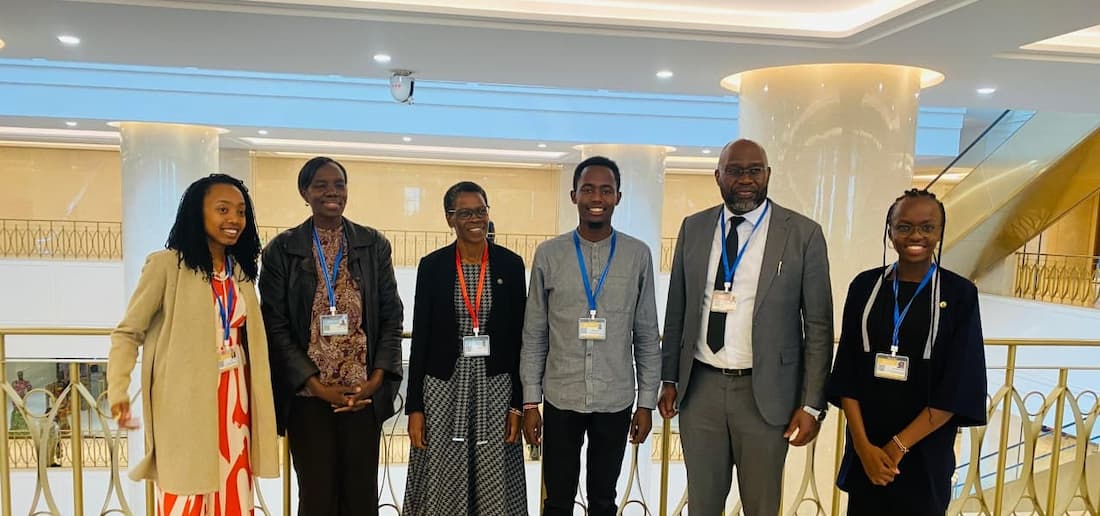
He joined a diverse group of experts, educators, regulators and student representatives from across Africa in reviewing the proposed competency-based curriculum developed by the WHO Regional Office for Africa. The curriculum aims to transform how medical training is delivered on the continent by shifting from traditional, time-based education to an outcomes-driven, student-centred model aligned with the health priorities and realities of African populations.
The prototype curriculum is structured around clearly defined competencies that integrate knowledge, clinical skills, communication, professionalism, leadership and evidence-based practice. It emphasizes early clinical exposure, community-oriented learning, interprofessional collaboration and the mastery of practical tasks essential for safe and effective medical practice. Twenty-one comprehensive modules—spanning biomedical sciences, major clinical disciplines, ethics, leadership, research and health information systems—are mapped against ten core competencies to ensure coherent, holistic, and practice-focused training.
The curriculum was officially launched on 24th November in Johannesburg, South Africa, marking a major milestone in efforts to harmonize medical education across the continent. This launch represents years of collaboration among universities, regulatory councils, professional associations and student bodies. The prototype provides a benchmark that countries and institutions can adapt to strengthen the quality of medical training, improve graduate competence and align educational programmes with the goals of primary health care and universal health coverage.
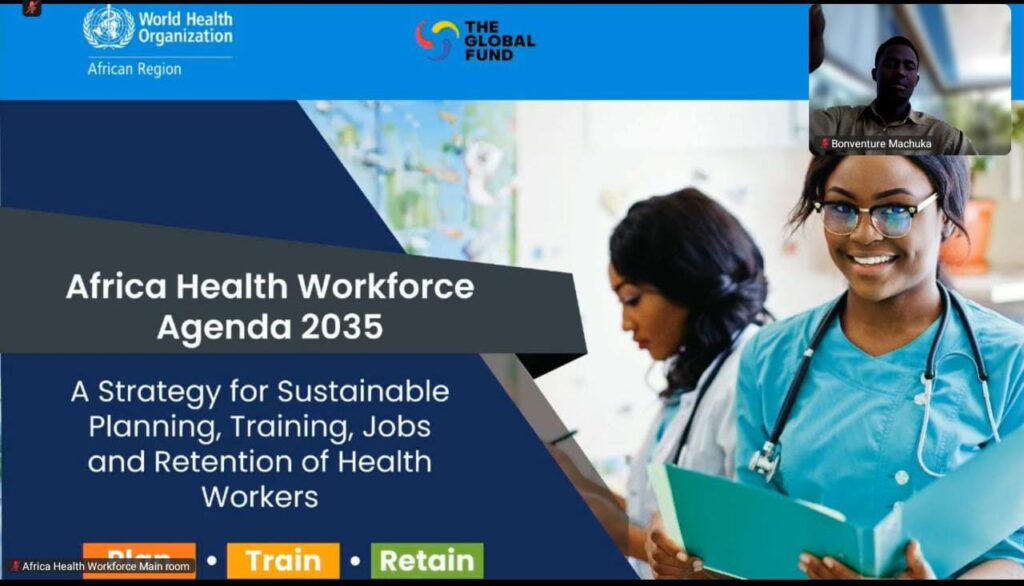
Bonventure’s involvement in this process highlights the growing role of young professionals and medical students in shaping policy and educational reforms in Africa. His participation reflects Moi University’s ongoing commitment to excellence, leadership development and active engagement in regional and global health initiatives.